
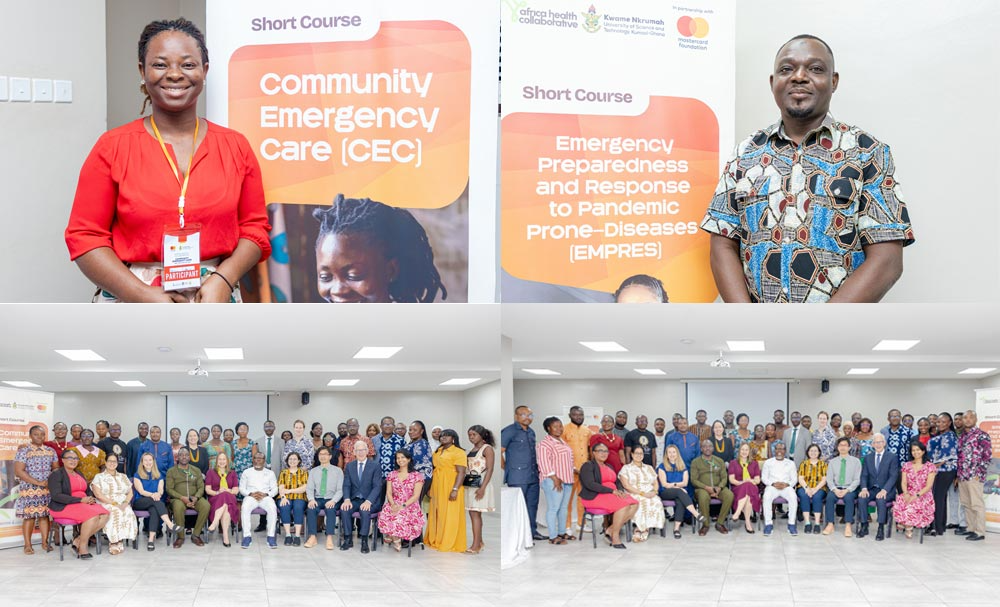
The Africa Health Collaborative at the Kwame Nkrumah University of Science and Technology, Kumasi (KNUST), in partnership with the University of Toronto, has held a joint opening ceremony for the Emergency Preparedness (EMPRESS) and Community Emergency Care (CEC) short courses aimed at strengthening health systems across Africa.
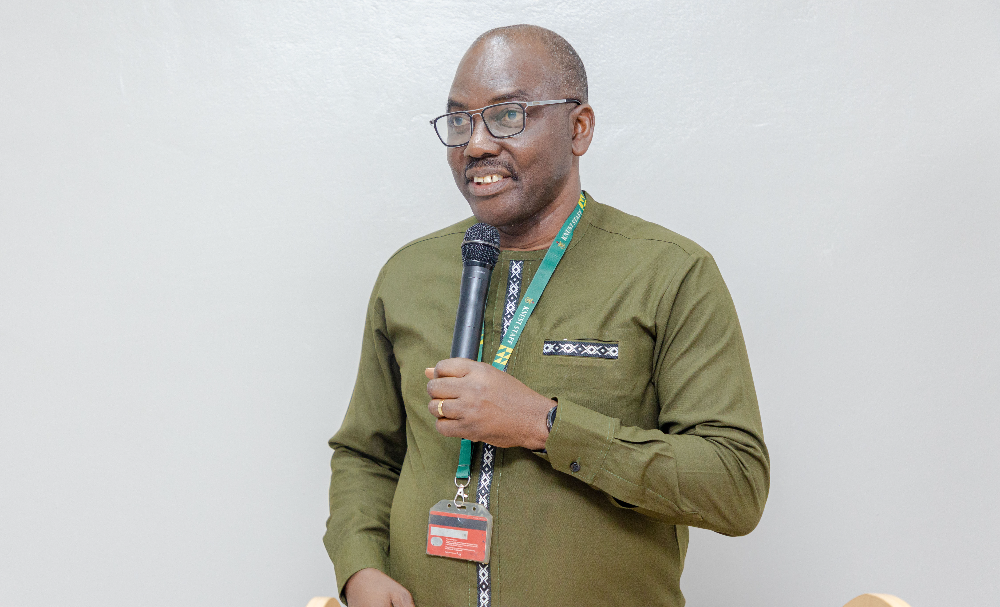
Speaking at the ceremony, former Vice-Chancellor of KNUST, Prof. William Otoo Ellis, described the courses as a practical example of how collaboration can translate into impact by equipping frontline health workers with skills in emergency response and pandemic preparedness.
“Preparedness is not an option. It is essential, and we are envisioning a future where communities are prepared to respond to emergencies,” he said.
Prof. Ellis said the programme reflects strong international cooperation and a shared commitment to building resilient communities.
“Today’s programme reflects the transformative partnership between the Kwame Nkrumah University of Science and Technology and the Mastercard Foundation,” he said.
He added that the initiative aligns with the university’s vision of training professionals capable of responding effectively to societal needs.
Highlighting the Foundation’s support to KNUST, Prof. Ellis said the investment has enabled the university to build capacity, strengthen academic programmes and expand opportunities for students and health professionals across the continent.
“This investment has enabled initiatives that are not only transforming education but are also preparing the next generation of leaders to address pressing challenges in health, innovation and development,” he said.

University of Toronto team lead, Dr. Jennifer Wilson commended facilitators for balancing clinical, academic and personal responsibilities while dedicating time to strengthen the capacity of health professionals in Ghana.

Principal Investigator of the project, Prof. Ellis Owusu-Dabo, underscored the need for sustainability, urging facilitators and participants to ensure that the knowledge gained translates into institutional and community transformation.
“It is incumbent on us to ensure that we apply ourselves diligently to this,” he said.
Participants said they were optimistic about the programme’s impact on their professional practice.
Ms. Patricia Gyabeng of Focos Hospital revealed she enrolled in the Community Emergency Care programme to build her confidence within and beyond the clinical setting.
“My expectation is to develop the confidence to help my patient; to be the first line of contact for that patient and keep the patient alive until the appropriate medical care arrives,” she said.
She said she also hopes to strengthen her ability to quickly identify signs that a patient requires critical care.
“With the skills that I’m learning now, I’ll be able to intervene and help the patient at that very moment when they need it,” she said.
Mr. Ali Shabanu from the Wa West District Health Directorate described the training as timely and essential, noting that emergency preparedness for pandemic-prone diseases is critical at both district and regional levels.
“Our last pandemic, COVID-19, showed us that things can change very quickly. So, it is important that we prepare ourselves to respond to pandemics in the near future,” he said.
He said the programme would help him better understand and implement outbreak management protocols.
“I hope to be equipped with new approaches so that I can also help my colleagues at the district level to build their capacity,” he said.
By: Belinda Danso Photos: Emmanuel Offei


